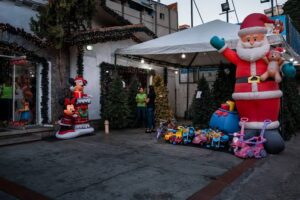
For most of the world, Christmas arrives faithfully in December cold nights, sparkling decorations, and that inevitable last-minute rush to the stores. But in Venezuela, the holiday calendar has been flipped upside down. On October 1st, President Nicolás Maduro officially declared the start of Christmas, giving Venezuelans two extra months of festive cheer.
Yes, you read that correctly. While most people elsewhere are sipping pumpkin spice lattes, Venezuelans are already singing carols, decorating their homes, and preparing holiday feasts. It’s a decision that has raised eyebrows, sparked laughter, and created one of the most unusual national traditions of recent years.
But behind the jokes and memes, this move reveals deeper layers of culture, politics, and economics. Let’s unwrap this story of how Venezuela decided to make Christmas last a quarter of the year.
Traditionally, Christmas begins to take shape in late November, with December 25th as the peak of celebrations. Maduro, however, has made it something of a tradition to push the season earlier and earlier. His explanation? The celebration brings “joy, commerce, and culture.”
In plain terms, the government sees early Christmas as:
- A morale booster: Venezuela has faced years of economic challenges, hyperinflation, and social pressures. By starting Christmas early, the administration hopes to create a sense of optimism and collective joy.
- An economic strategy: Holiday shopping and seasonal spending inject cash into markets. Two extra months of gift-buying, food shopping, and street festivals mean businesses—especially small vendors—get a much-needed boost.
- A cultural showcase: Christmas in Venezuela isn’t just a date on the calendar. It’s a blend of food, music, faith, and community. Extending it allows more time for traditions to flourish.
On the surface, it may sound like harmless cheer. But for critics, it’s also a political tool an attempt to distract citizens from ongoing difficulties with music, lights, and celebration.
The announcement spread across social media like wildfire. Venezuelans—and internet users worldwide—reacted with humor and disbelief.
- Some joked, “Not even Santa can save us this early.”
- Others shared memes of Mariah Carey being woken up in October, Santa sweating under the tropical sun, and even Donald Trump smirking in disbelief.
- TikTok and Instagram filled with creative takes, including captions like: “Tell him to come to Miami for Christmas—it’s lovely here.”
Still, humor masked deeper mixed feelings. Many Venezuelans rolled their eyes at what they saw as a political distraction, but others embraced the idea.
- Ana María, a teacher in Valencia: “If we wait until December, life feels heavy. Starting early gives us something to smile about. For my students, it’s like the whole school turns festive.”
- Carlos, a street vendor in Caracas: “It’s business. October sales are already better. If they want Christmas early, let’s make it happen.”
- These voices highlight the balance: skepticism toward the government, but genuine appreciation for the joy and commerce Christmas brings.
While some people welcomed the idea of extending the joy, others questioned if three months of Christmas might be a little too much. After all, how many times can one really hear “All I Want for Christmas Is You” before the magic wears off?
But one thing is clear: humor remains Venezuela’s survival tool. If life gives lemons, Venezuelans hang Christmas lights on them and turn them into viral content.
What Christmas in Venezuela Really Looks Like
To understand why early Christmas might not be so unwelcome, you have to picture what the season actually means for Venezuelans.
- Food: Hallacas (similar to tamales, wrapped in banana leaves), pan de jamón (a bread filled with ham, raisins, and olives), and pernil (slow-roasted pork) take center stage. For families, these dishes symbolize tradition, togetherness, and home. Extending the season means two extra months of indulgence in these flavors.
- Music: Instead of “Silent Night,” Venezuelans dance to gaitas and aguinaldos, festive folk rhythms that transform Christmas into a full-blown party. The sound of drums and guitars fills neighborhoods, turning every gathering into a celebration.
- Decorations: Streets glow with bright lights, towering trees, and nativity scenes. Extending Christmas means months of visual beauty that brighten up daily struggles.
- Faith and Family: Christmas here is more than commerce—it’s about reuniting families, celebrating traditions, and strengthening religious roots. An early start means more moments of connection.
In short, for Venezuelans, Christmas isn’t just a holiday. It’s a cultural heartbeat.
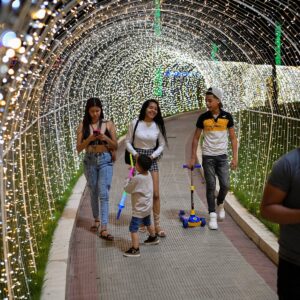
Not everyone is convinced that three months of Christmas is a good idea.
- Loss of Magic: When everything is festive for too long, does the sparkle fade? By December 25th, some fear the holiday may feel anticlimactic.
- Repetitive Music: Imagine hearing “All I Want for Christmas Is You” every day for 90 days. Even Mariah Carey herself might need earplugs.
- Emotional Toll: For families who can’t afford to celebrate fully, being surrounded by decorations for months could deepen feelings of exclusion.
Still, for many Venezuelans, the choice is clear: in a country with heavy challenges, joy—even prolonged joy—is preferable to gloom.
If families get more food and music, businesses get more sales. For shop owners and street vendors, October Christmas is an unexpected blessing.
Imagine Black Friday, but stretched across three months. People buy gifts, clothes, and decorations earlier than usual, and holiday markets thrive longer. In an economy often hit by shortages and inflation, these sales offer retailers a rare lifeline.
But critics argue that this shopping optimism can’t fully mask deeper problems. Inflation still eats away at salaries, and not everyone can afford the holiday lifestyle—even if it lasts longer.
Too Much of a Good Thing?
Not everyone is thrilled by the October Christmas idea. Some argue that if Christmas lasts three months, it risks losing its charm. By December 25th, will the lights feel less magical?
Others see it as a clear political distraction. Joy and music can’t erase shortages, inflation, and structural economic issues. For them, extending Christmas is like painting over cracks in the wall it looks good for a while but doesn’t solve the underlying problem.
Still, many ask: is too much joy really a bad thing? In times of uncertainty, a little extra happiness might be exactly what people need.
Interestingly, Venezuela isn’t the only country with extended Christmas traditions.
- Philippines: Known for the longest Christmas season in the world, celebrations begin as early as September—the so-called “ber months.” Decorations, carols, and family traditions stretch for nearly four months.
- United States & Europe: While Christmas isn’t officially moved, stores often roll out decorations and products right after Halloween. By early November, many malls already play carols.
So perhaps Venezuela isn’t as strange as it sounds. In fact, maybe it’s just being bold enough to do what other countries do unofficially—embrace more Christmas.
At its core, Christmas is about joy, hope, generosity, and family. Extending it may not fix the economy, but it does create a shared sense of happiness. In a country that has endured hardship, giving people more reasons to smile isn’t the worst idea.
And let’s admit it: we all have that one friend who starts playing Christmas music too early. Venezuela just turned that into law.
Should the World Copy Venezuela?
Maduro’s October Christmas is part politics, part economics, and part culture. But it’s also a reminder that joy doesn’t need to wait for December.
Imagine walking through streets lit up in October, sipping coffee while carols play, shopping without the December rush, and having more time for family traditions. Wouldn’t that feel magical?
Of course, the risk of “holiday fatigue” is real. After 90 days of Mariah Carey, even the most festive hearts might crave silence. But maybe, just maybe, in a world filled with uncertainty, the idea of longer joy deserves a chance.
So here’s to Venezuela, the country where Santa packs early, lights glow longer, and families celebrate louder. Merry October Christmas—and may the hallacas taste as sweet in October as they do in December.